ска́зка
fairly common #2296C1
nounfeminineinanimatecountable
- 1.
tale, fairy tale, story, fairytale
Examples
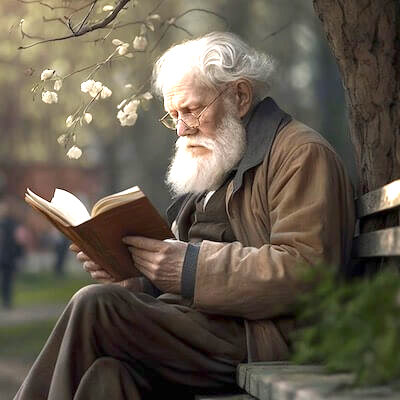
Оте́ц чита́л мне ска́зки, когда я был ма́леньким ма́льчиком.
My father used to read me stories when I was a little boy.
Ска́зки всегда начина́ются одинаково: жили-были.
Fairy tales always begin the same way: once upon a time.
Добро всегда побежда́ет зло... в ска́зках.
Good always triumphs over evil ... in fables.
Declension
| Singular | Plural | |
|---|---|---|
| Nom.Nominative | ска́зка | ска́зки |
| Gen.Genitive | ска́зки | ска́зок |
| Dat.Dative | ска́зке | ска́зкам |
| Acc.Accusative | ска́зку | ска́зки |
| Inst.Instrumental | ска́зкой ска́зкою | ска́зками |
| Prep.Prepositional | ска́зке | ска́зках |
Word familyсказPRO
- сказtale
- ска́зкаtale
- сказа́тьto say
- сказа́ниеstory
- вы́сказатьto express
LockedUnlock full word family
Learn
Contributions
TonyUK edited translation 4 years ago.
martijn edited translation 6 years ago.