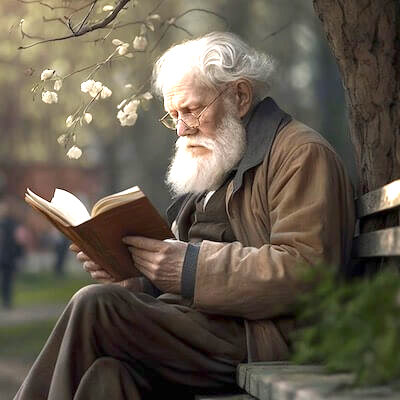

historian russian
исто́рик
historian
природове́д
natural historian, naturalist
бытописа́тель
chronicler of everyday life, writer on everyday life, painter of scenes of everyday life
historian, chronicler
Examples
Он рабо́тает в нау́чном институ́те, где лингви́сты, литературове́ды, исто́рики, социо́логи, экономи́сты и други́е учёные иссле́дуют всё, что связано с гно́мами.
He works at a scientific institute where linguists, literature scholars, historians, sociologists, economists, and other scholars investigate everything that has to do with gnomes.
В чём заключа́ется обя́занность исто́рика?
What's the historian's duty?
Какова́ обя́занность исто́рика?
What's the historian's duty?
По мне́нию некоторых исто́риков, спосо́бность челове́ка овладе́ть огнём была́ велича́йшим технологи́ческим достиже́нием эпо́хи палеоли́та.
According to some historians, the ability of human beings to master fire was the greatest technological advance of the Palaeolithic period.
Историки до сих пор спорят о причинах коллективизации.
Historians still debate the reasons for collectivization.
Могущество древней империи поражало историков.
The might of the ancient empire amazed historians.
Историк рассказывал о падении рейха.
The historian talked about the fall of the Reich.
Искусствовед подробно рассказал о картине.
The art historian spoke in detail about the painting.
Она стала известным искусствоведом после защиты диссертации.
She became a renowned art historian after defending her dissertation.
Историки описывают армаду испанского флота.
Historians describe the armada of the Spanish fleet.
Историки изучают причины возникновения нацизма.
Historians study the causes of the rise of Nazism.
Историки изучают последствия колонизации Африки.
Historians are studying the consequences of the colonization of Africa.
Историки изучают советизацию восточной Европы.
Historians are studying the Sovietization of Eastern Europe.
Историки изучают причины возникновения гитлеризма.
Historians study the causes of the rise of Nazism.
История диссидентства интересует многих историков.
The history of dissidence interests many historians.
Историки до сих пор изучают этот блицкриг.
Historians are still studying this blitzkrieg.
Историки часто вспоминают аракчеевщину с осуждением.
Historians often recall the Arakcheyev regime with condemnation.
Историки изучают германизацию восточных территорий.
Historians study the Germanization of the eastern territories.
Историки изучают период двоевластия в тысяча девятьсот семнадцатом году.
Historians study the period of dual power in 1917.
Историк изучал взгляды жирондистов подробно.
The historian studied the Girondists’ views in detail.
Историки изучают процесс закабаления крестьян.
Historians are studying the process by which the peasants were enslaved.
Историки изучают идолопоклоннические культы древности.
Historians study the idolatrous cults of antiquity.
Историк изучал идолопоклонничество разных народов.
The historian studied the idolatry of various peoples.
Историки описывают изуверство инквизиции подробно.
Historians describe the cruelty of the Inquisition in detail.
Историки изучают причины возникновения иконоборчества.
Historians study the causes behind the emergence of iconoclasm.
Историки описывают колесование как символ средневековой жестокости.
Historians describe breaking on the wheel as a symbol of medieval cruelty.
Историки много писали о крепостничестве и его последствиях
Historians wrote extensively about serfdom and its consequences.
Историки часто обсуждают макиавеллизм итальянских правителей
Historians often discuss the Machiavellism of Italian rulers.
Историк составил мартиролог погибших солдат.
The historian compiled a martyrology of the fallen soldiers.
Историки спорят о происхождении матриархата.
Historians disagree about the origins of matriarchy.
Историки изучают это загадочное междуцарствие.
Historians are studying this mysterious interregnum.
Историки изучают меркантилизм как экономическую политику прошлого
Historians study mercantilism as an economic policy of the past.
Историки изучают старые русские наместничества
Historians study the old Russian governor-generalships.
Историк критикует насильнические методы прошлого.
The historian criticizes the violent methods of the past.
Историк написал книгу о партизанстве в лесах Белоруссии.
The historian wrote a book about the partisan warfare in the forests of Belarus.
Историк читал лекцию о предпарламенте.
The historian gave a lecture about the Preparliament.
Историк читал лекцию о салических франках.
The historian gave a lecture on the Salian Franks.
Историк легко читает скорописный текст семнадцатого века.
The historian can easily read seventeenth-century cursive.
Историк описал теократическую систему власти.
The historian described the theocratic system of government.
Историк написал книгу про аароновщину.
The historian wrote a book about Aaronovschina.
Историк написал книгу о валашском господарстве.
The historian wrote a book about the Wallachian principality.
Историк изучал старое немецкое маркграфство.
The historian studied an old German margraviate.
Историк описал колонистские традиции первых переселенцев.
The historian described the traditions of the first settlers.
Историк рассказал, когда отменили партмаксимум.
The historian explained when the party maximum was abolished.
Историк рассказал о деятельности одного известного черносотенца.
The historian spoke about the activities of a well-known member of the Black Hundreds.
Историк изучал устройство персидской сатрапии.
The historian studied the structure of the Persian satrapy.
Историк рассказал нам о знаменитой византийке.
The historian told us about a famous Byzantine woman.
Историк, сравнивавший две эпохи, написал интересную статью.
The historian who compared two eras wrote an interesting article.
Историк изучал царствовавшую династию.
The historian studied the dynasty that had ruled.
Историк, датировавший находку, оказался прав.
The historian who dated the find turned out to be right.
Историк, сопоставлявший источники, нашёл противоречия.
The historian who had compared the sources found contradictions.
Историк, соотносивший события, нашёл неожиданную закономерность.
The historian, who correlated the events, discovered an unexpected pattern.
Историк изучал жизнь коллективизируемых крестьян.
The historian studied the lives of the peasants undergoing collectivization.
Историк изучает политику колонизующих держав.
The historian is studying the policies of colonizing powers.
Историк изучал славянские племена, онемечивавшиеся веками.
The historian studied the Slavic tribes that had been undergoing Germanization for centuries.
Историк рассказал про оскальпированного пленника.
The historian told of a scalped prisoner.
Историк писал о царе, офранцузившем придворную моду.
The historian wrote about a tsar who had Frenchified court fashion.
Историк писал о германизировавшемся дворянстве Прибалтики.
The historian wrote about the Germanized nobility of the Baltic region.
Историк рассказал о короле, четвертовавшем предателей без жалости.
The historian told of a king who quartered traitors without mercy.
Историк изучал черносотенные организации начала века.
The historian studied Black Hundred organizations from the beginning of the century.